
 The Vintage Sports-Car Club
Before McLaren and Lotus, there were Austin Sevens and Nashes
Bruce McLaren, Ken Miles and Colin Chapman helped shape modern racing, but their craft was forged in small cars, old cars and brilliant mechanical mischief.
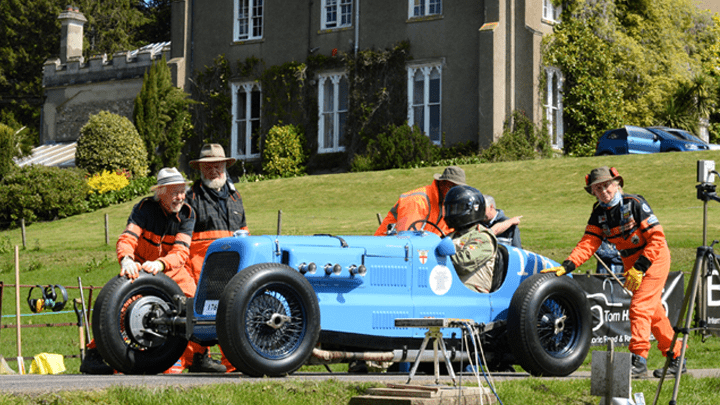
Hero image: VSCC Library.
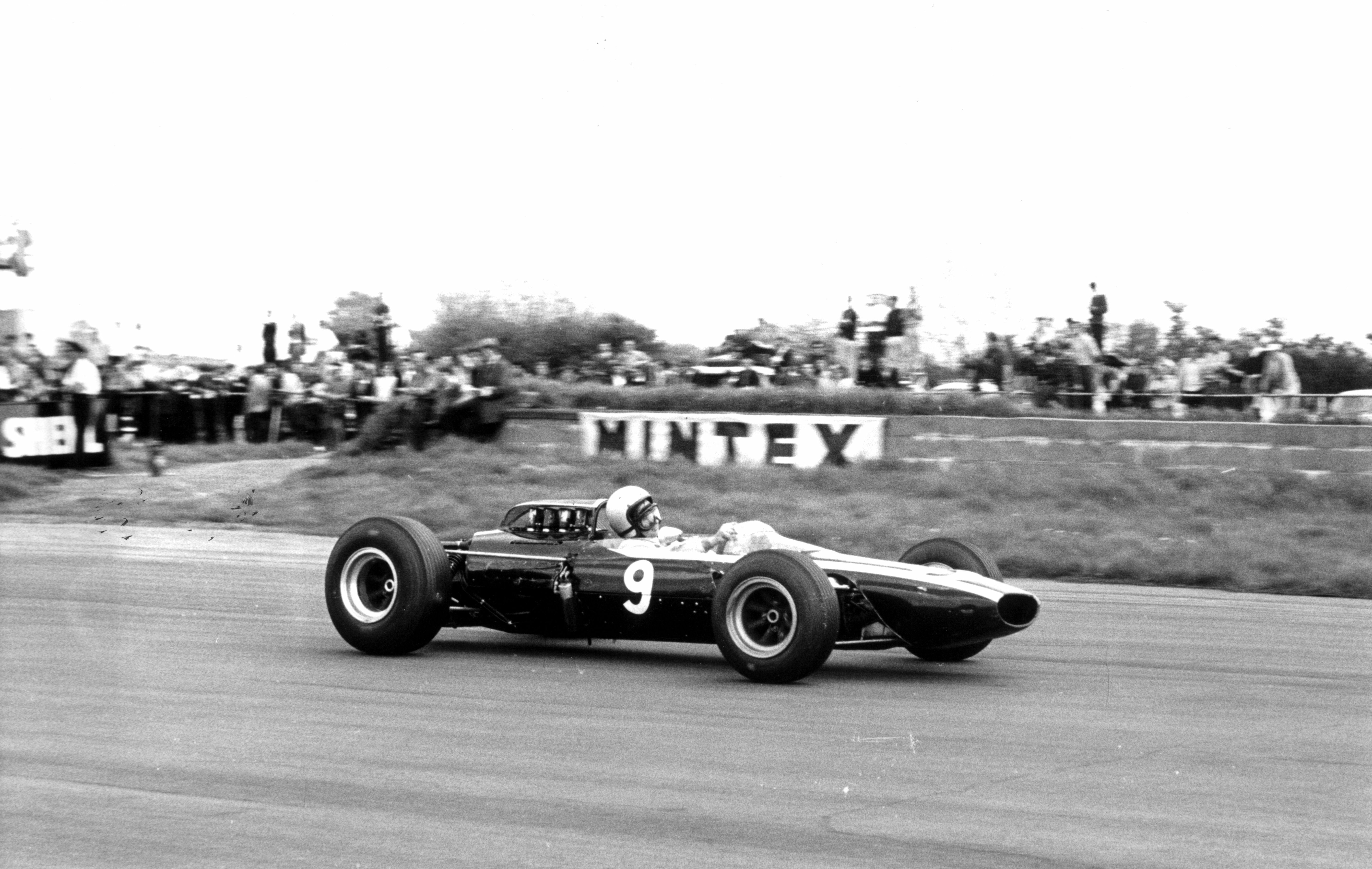
Formula One loves a creation myth. Ferrari has Maranello, McLaren has papaya, Lotus has lightness, and Ford’s greatest racing legend is wrapped up in Le Mans, Shelby and the GT40.
Yet look closely at Bruce McLaren, Ken Miles and Colin Chapman, and the story begins somewhere much less polished, but arguably far more interesting.
The Austin Seven before the papaya empire
Bruce McLaren did not begin with Formula One glory. He began with a 1929 Austin Seven Ulster, a small, simple and wonderfully adaptable car that became his first proper route into motorsport.
At just 15, McLaren entered his first competition in that car and won the small-capacity class at the Muriwai Hill Climb in New Zealand. He continued to use the car in local speed events for the next few years, learning not only how to drive quickly, but how to understand what a car was doing beneath him.
The Austin Seven was never about brute force. It taught momentum, balance, preparation and mechanical feel. A car like that does not flatter a driver with horsepower. It asks for precision, patience and commitment, and when it is driven well, it becomes far more than its modest specification suggests.
Before McLaren became a global force, it was a young man learning speed, engineering and his craft in an old car.


Lotus started as an Austin Seven special
If Bruce McLaren’s Austin Seven helped shape a driver, Colin Chapman’s helped shape an entire design philosophy.
The first Lotus, the Mark I, was built in 1948 from a 1928 Austin Seven. Chapman created it as a lightweight trials car, working in a lock-up garage behind the house of his future wife Hazel’s parents. It was modest in scale, but enormous in consequence, because inside that little Austin Seven special were the first signs of the thinking that would later change Formula One.
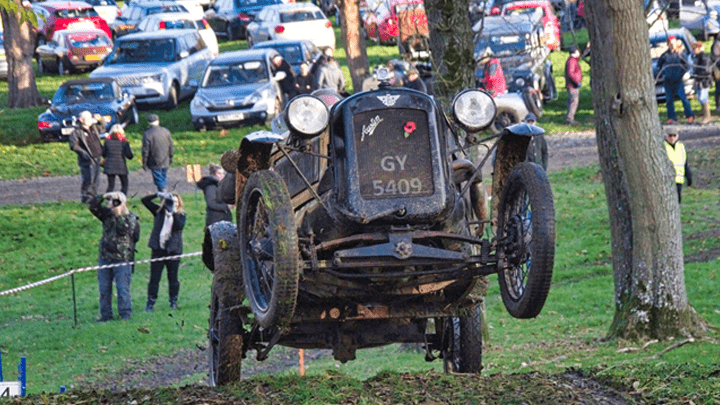
Trials are not glamorous in the Grand Prix sense. There is no polished paddock, no television build-up, no heroic run down to the first corner. Instead, there is mud, traction, gradient, weight transfer and the unforgiving truth that a car either gets up the hill or it does not.
It taught him that weight mattered, that balance mattered, and that cleverness could be worth more than power. Those ideas became central to Lotus, where lightness and efficiency were not decorative principles, but competitive weapons.
The GT40 hero who learned in old cars
Ken Miles is often remembered through the drama of the Ford GT40 and Le Mans in 1966, and understandably so. It is one of the great stories of endurance racing. But Miles was never just a fast driver dropped into a famous car.
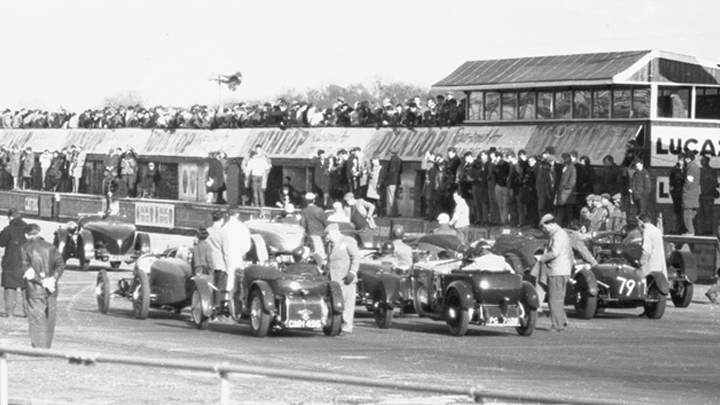
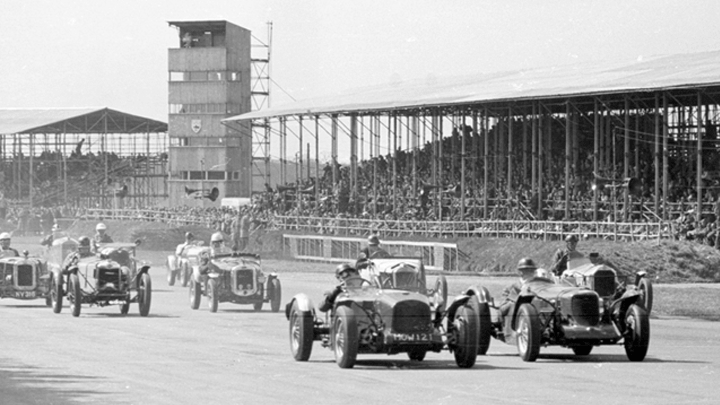
After the Second World War, Miles raced Bugattis, Alfa Romeos and Alvises with the Vintage Sports-Car Club and Bugatti Owners Club before moving on to a Ford V8-powered Frazer Nash. Later, after emigrating to America, he became closely associated with MG-based specials, including the famous “Flying Shingle”, and built a reputation as a driver who could both develop and extract everything from a car.
That background explains why Miles mattered so much to the GT40 programme. He could diagnose a car, challenge an assumption, feel a weakness and help turn a difficult machine into a winner.
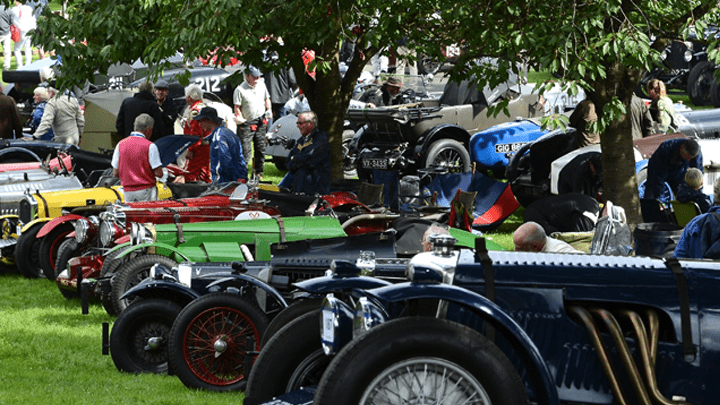
Vintage racing culture is built on exactly that. You build, test, break, repair, improve and go again.

Race-bred intelligence
The real link between McLaren, Miles and Chapman is not nostalgia. It is race-bred intelligence.
These men were shaped by cars that made them think. Bruce McLaren learned in an Austin Seven before building one of the greatest names in Formula One. Colin Chapman turned an Austin Seven into the first Lotus and carried its lessons into Grand Prix design. Ken Miles honed his craft in vintage cars before helping to transform the Ford GT40 into a Le Mans weapon.
Vintage cars mattered because they demanded more from people. They required drivers who could read grip by instinct, mechanics who could solve problems without a laptop, and designers who understood that a small improvement, properly understood, could change everything.
Formula One grew from a world where people learned by doing, often in cars that were already old, often modified in garages and workshops, and often improved through persistence rather than budget.
Before the McLaren pit wall, before Lotus rewrote racing car design, and before the GT40 beat Ferrari at Le Mans, there was the same simple truth.
Find out more about the VSCC.