
NEWS
How Vintage Cars Keep Engineering Heritage Alive
Sunday 01 November 2026
Historic vehicles are more than transport. They are working examples of engineering history that continue to preserve skills, knowledge and craftsmanship.
Every vintage car tells a story.
Not just about motoring history, but about the engineers, machinists, foundries, coachbuilders and craftsmen who created it.
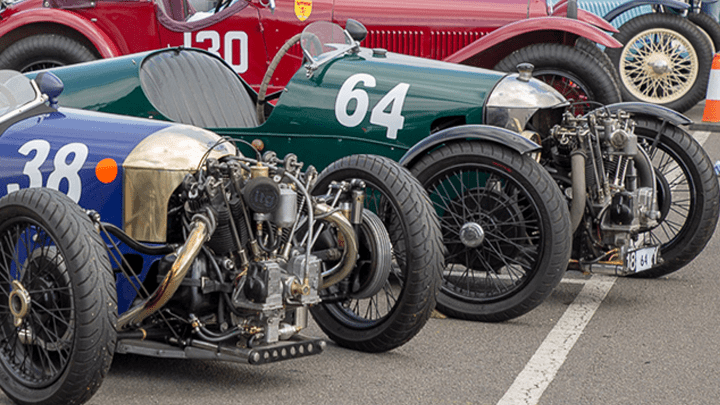
Many technologies familiar today can trace their roots to innovations developed during the early decades of motoring. Mechanical braking systems, ignition systems, carburation, suspension design and lightweight engineering all evolved rapidly during the veteran and vintage eras.
The challenge today is ensuring that knowledge is not lost.
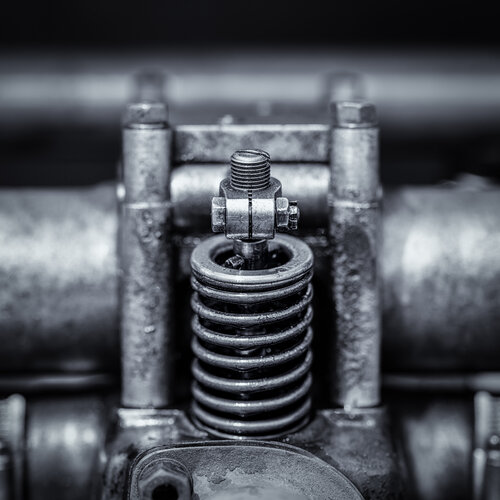
Maintaining historic vehicles requires specialised skills that are increasingly rare. From magnetos and carburettors to ash-framed bodywork and period machining techniques, many traditional crafts survive because enthusiasts and specialists continue to work on historic vehicles.
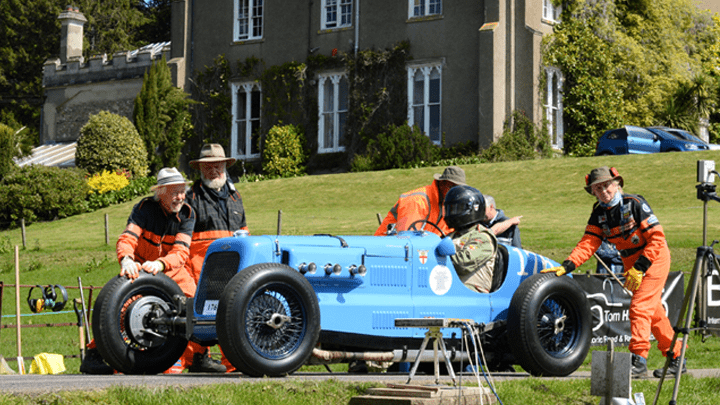
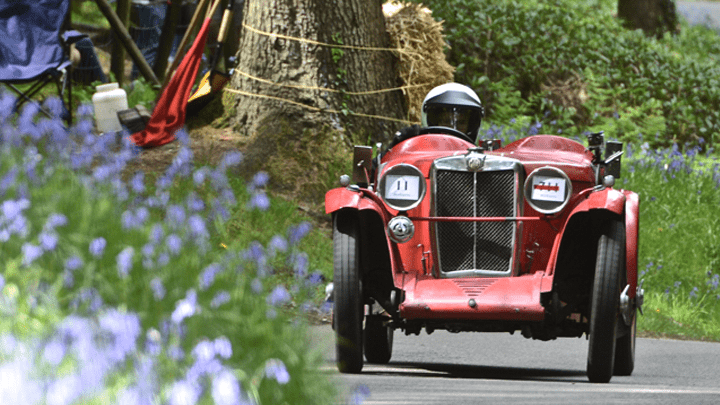
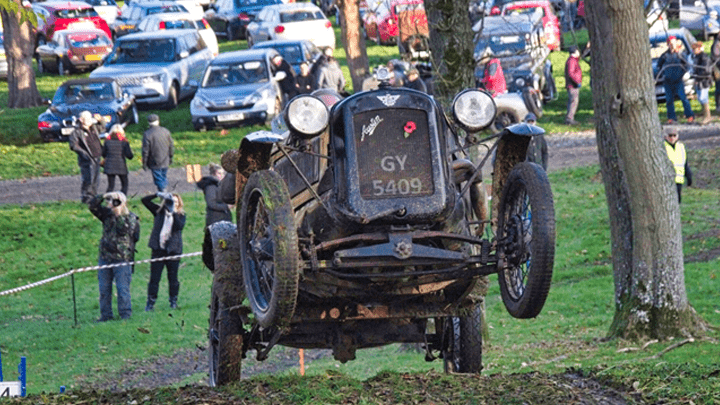
The VSCC's commitment to active motoring helps sustain that expertise. Every restoration project, every competition car and every roadgoing vintage vehicle creates demand for knowledge that might otherwise disappear.
The result is a living heritage movement.
Rather than preserving history behind glass, historic motoring allows engineering heritage to be understood, experienced and passed on through practical knowledge and use.